the BAND
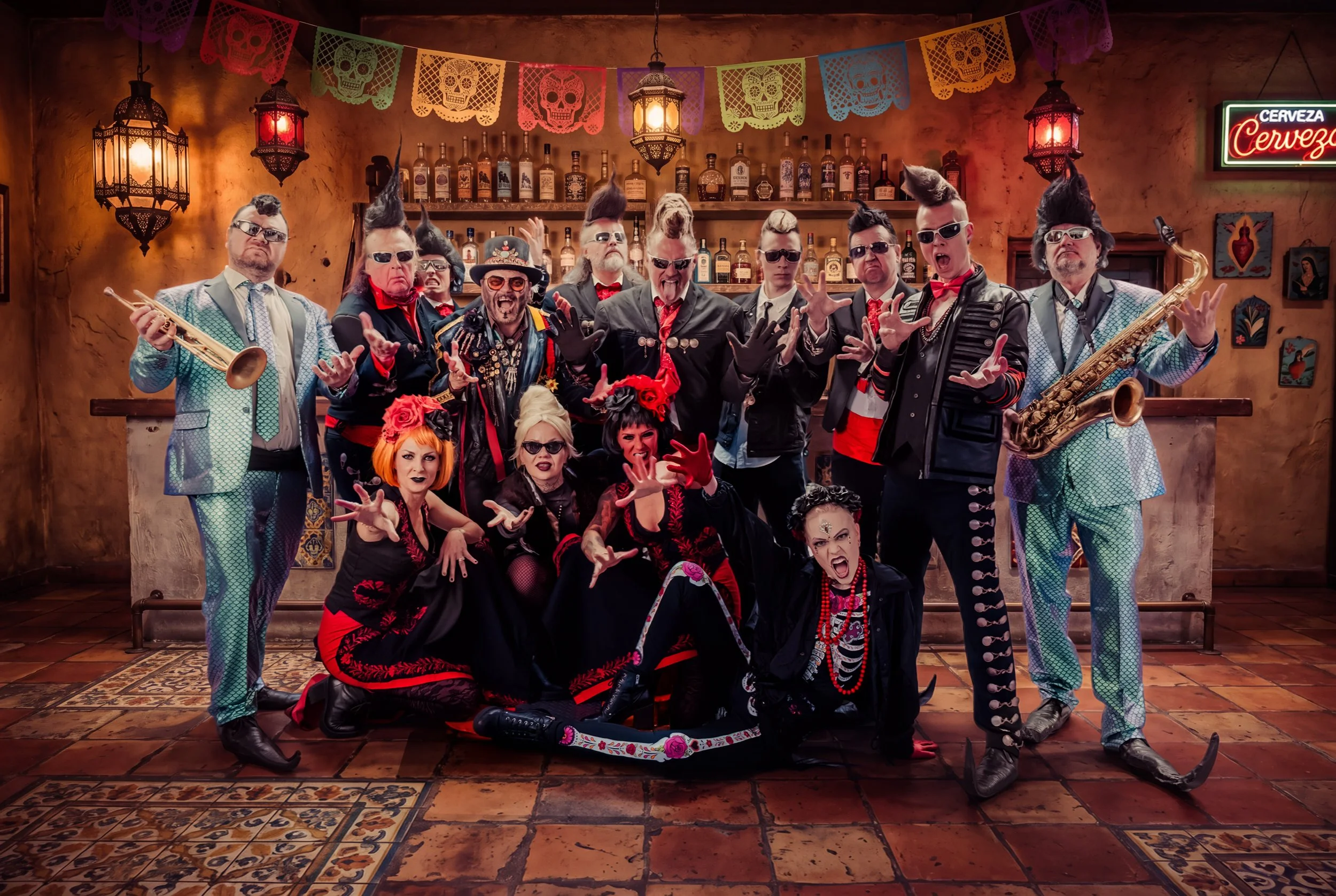
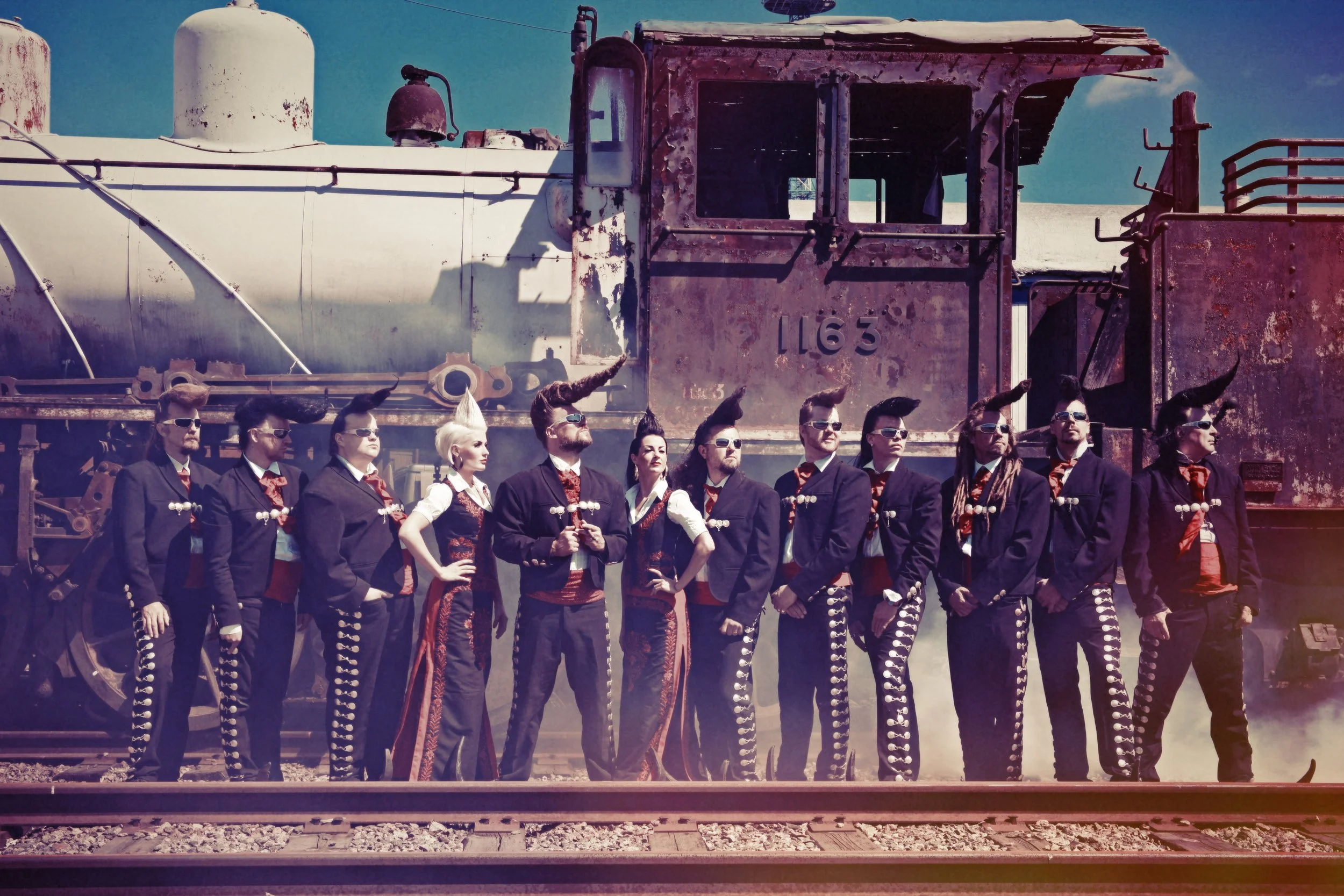
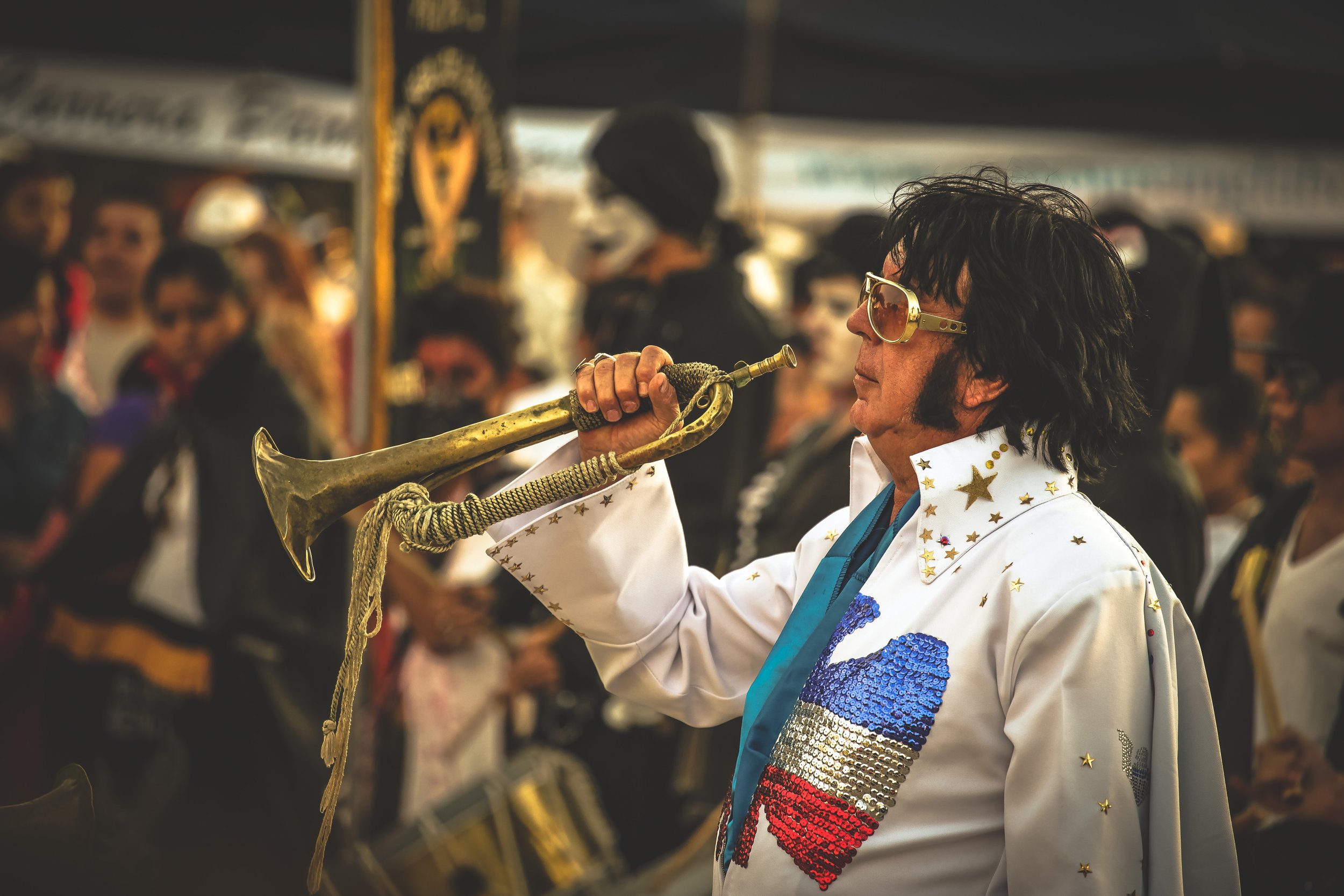
The Leningrad Cowboys are Finland’s most bizarre and brilliant rock export — a band that looks like they crash-landed from another planet armed with towering pompadours, impossibly long pointy shoes, and a mission to turn rock ’n’ roll on its head. Born in the late ’80s out of the legendary Sleepy Sleepers and fueled by a mix of satire, swagger, and sheer madness, the Cowboys quickly became a global cult sensation.

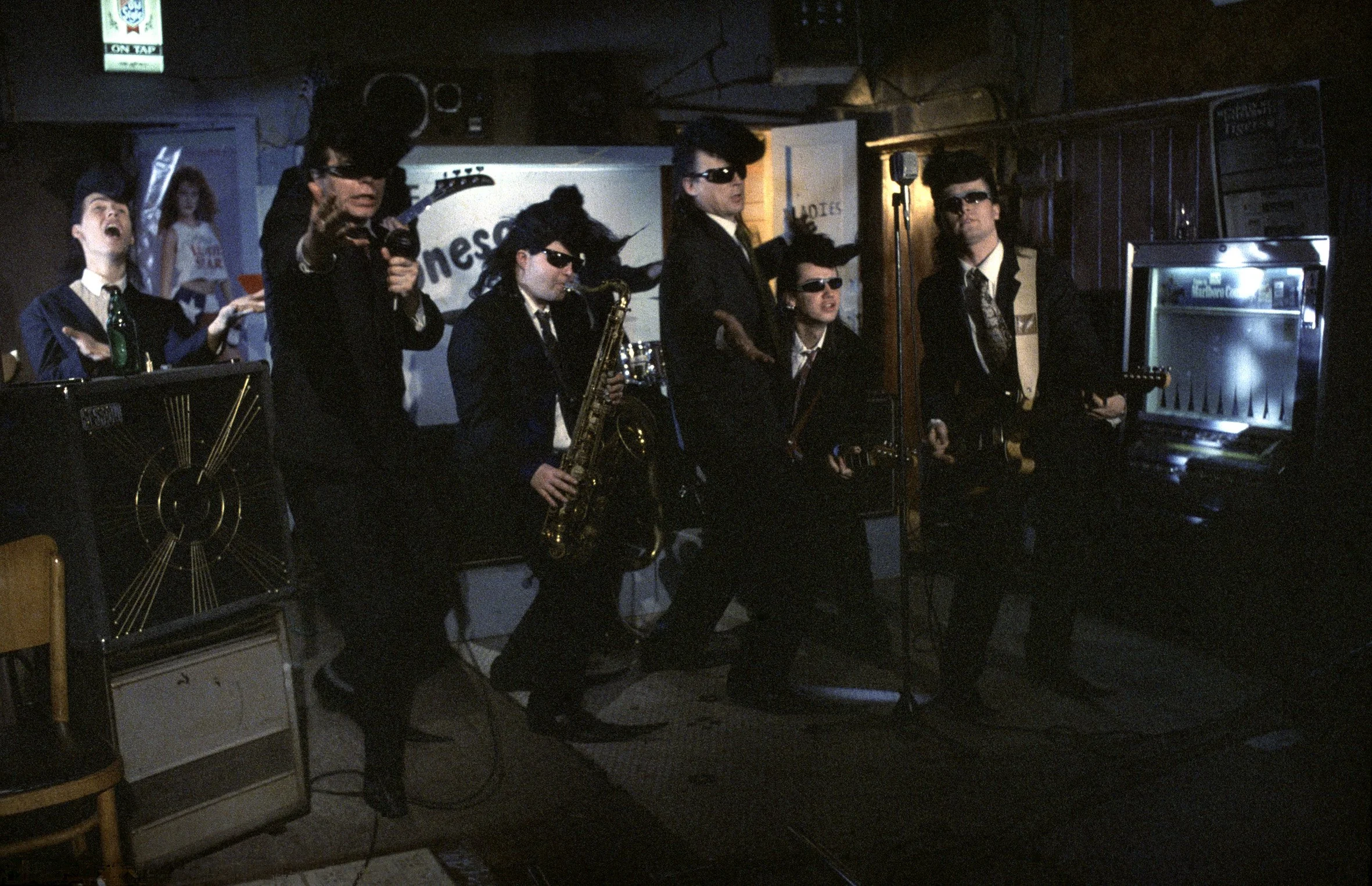
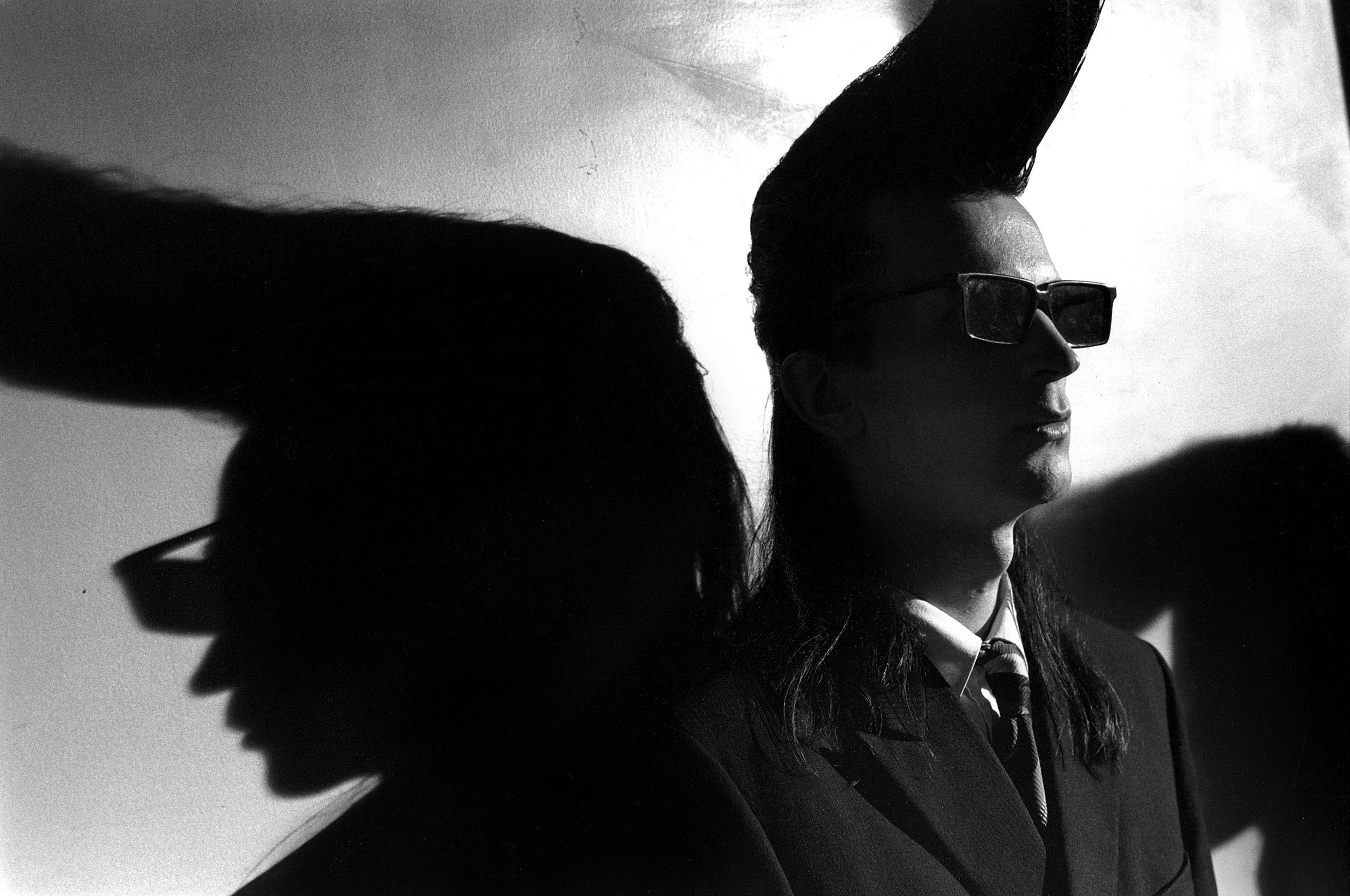
Their music is a wild cocktail of straight-up rock anthems, cheeky covers, and vodka-soaked originals, often performed in over-the-top style with the help of none other than the Alexandrov Red Army Ensemble. And if that wasn’t enough, they’ve also taken over the silver screen in Aki Kaurismäki’s cult films Leningrad Cowboys Go America and Leningrad Cowboys Meet Moses, bringing their deadpan humor and surreal adventures to audiences worldwide.
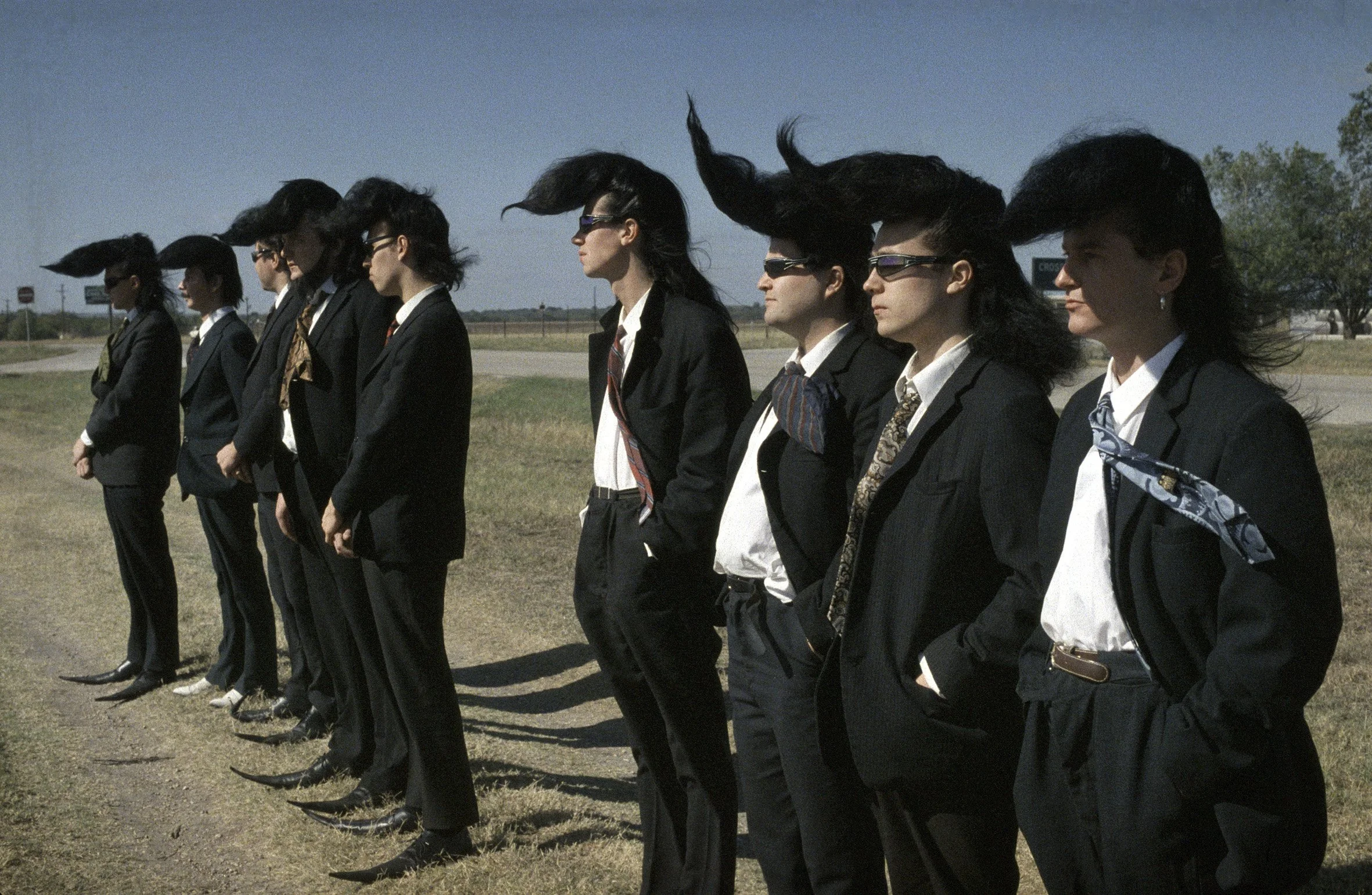


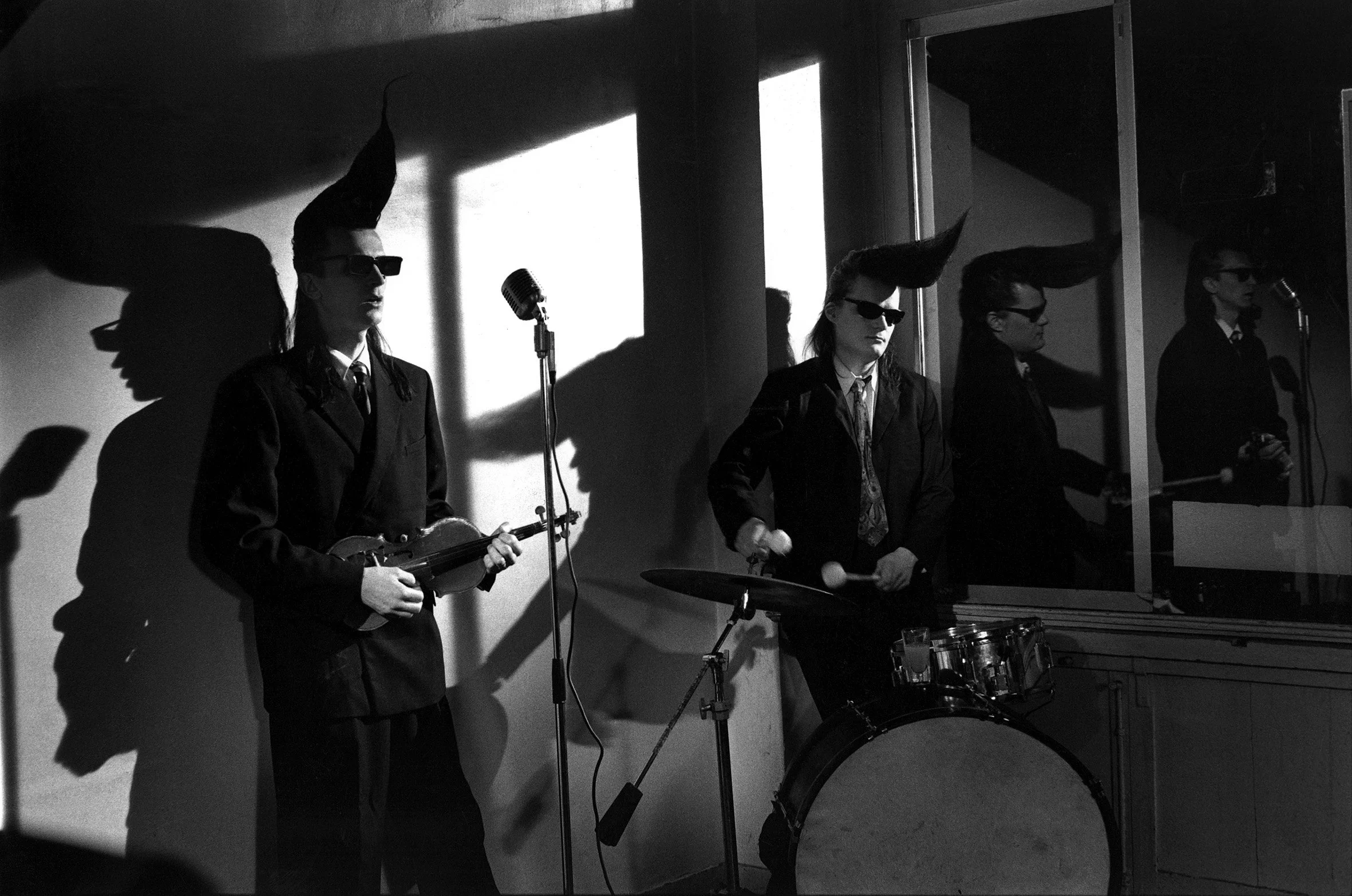
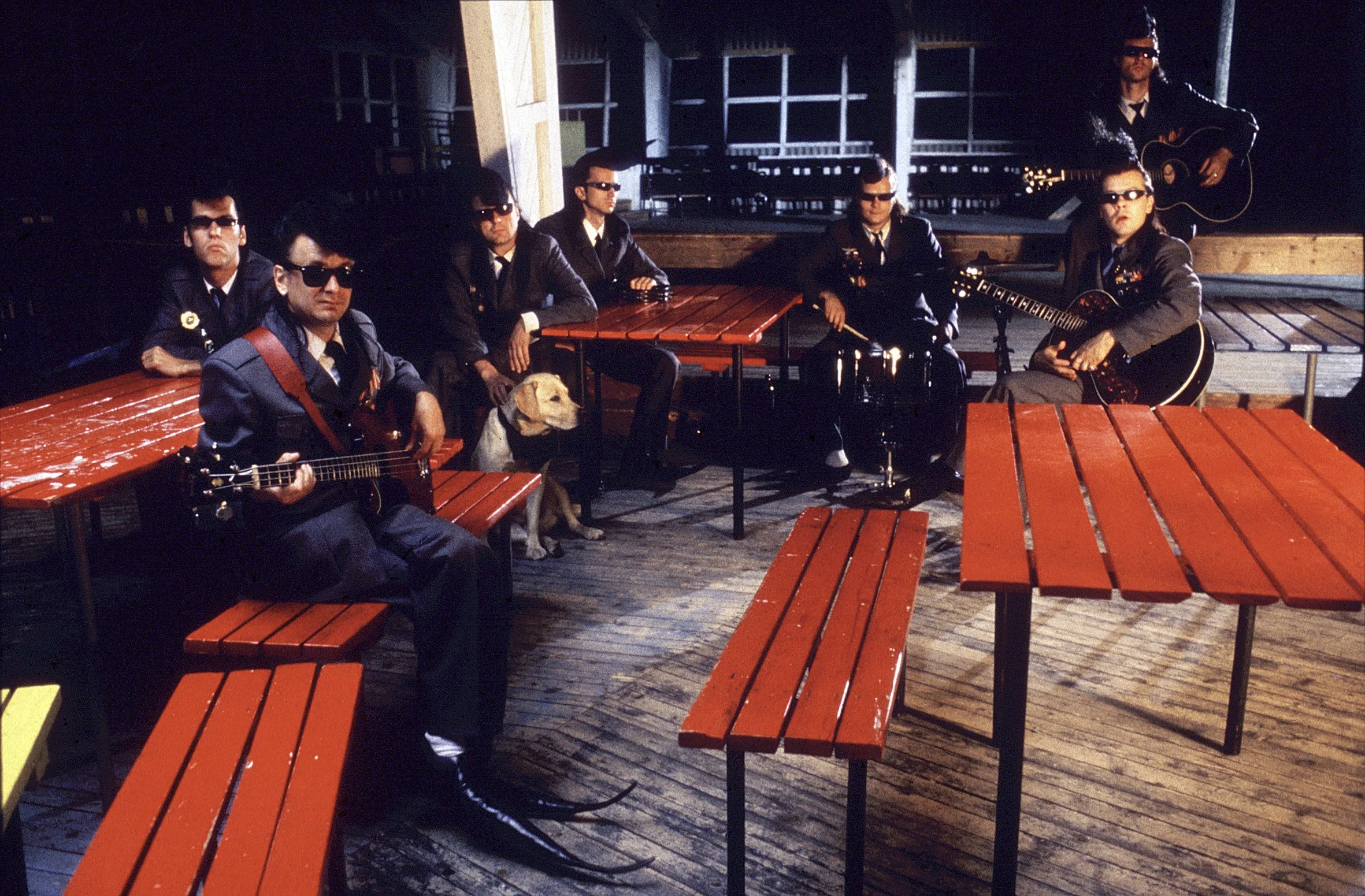


The band’s mainly known for their unique live shows. Over more than 20 years, they’ve performed 1,000+ concerts in over 60 countries — from massive joint spectacles with the Red Army Choir, to confusing audiences at the MTV Music Awards, to rocking out with classical orchestras, and playing hundreds of festivals and clubs around the globe. No matter where they go, they leave a trail of astonished faces, sore dancing feet, and big grins behind.
Whether on stage, on record, or on screen, the Leningrad Cowboys are more than just a band — they’re a living, breathing, pompadoured spectacle that proves rock ’n’ roll should never be taken too seriously.
Thank You Very Many!

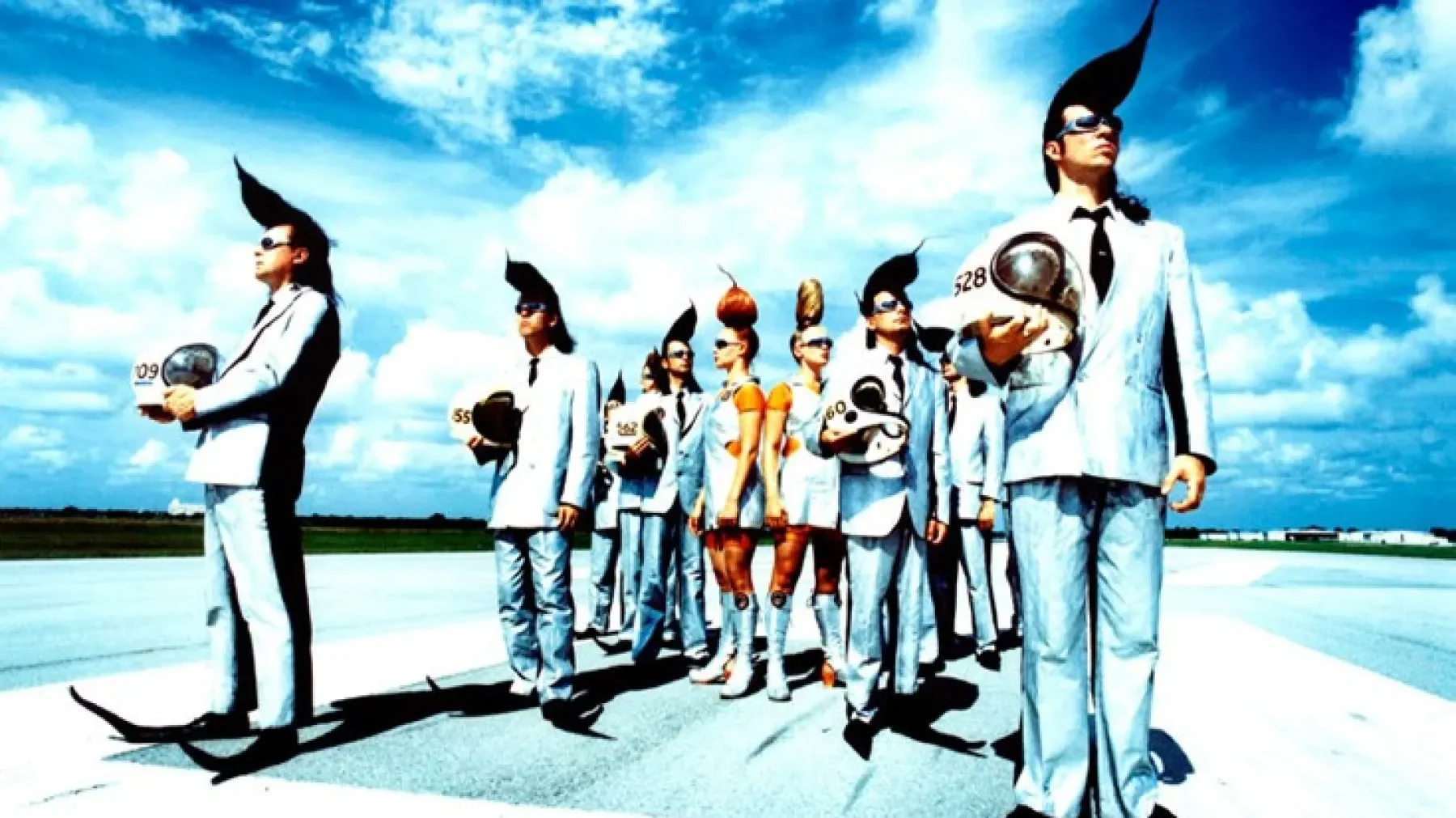


Photography by Dirk Behlau
LENINGRAD COWBOYS GO MEXICO
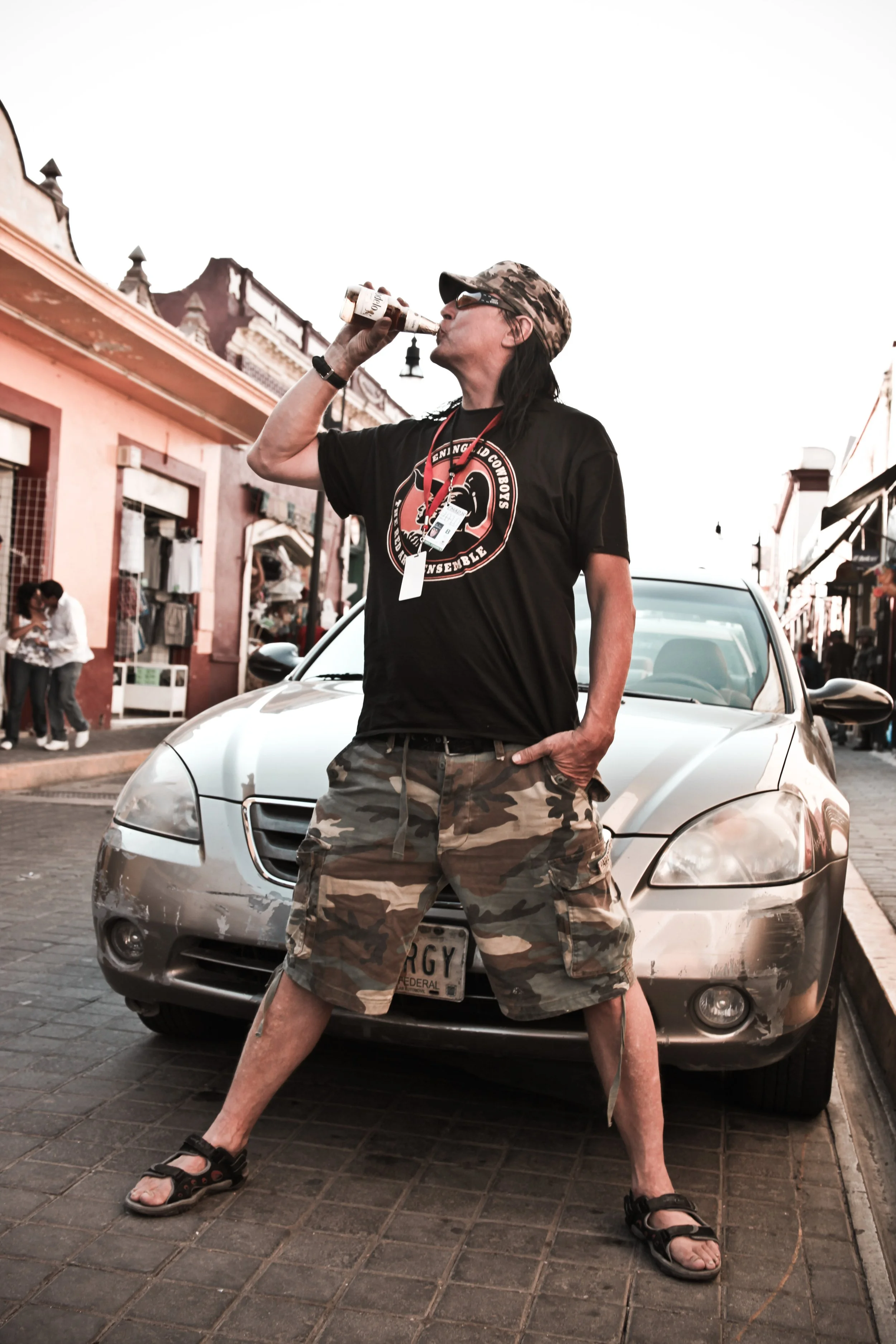
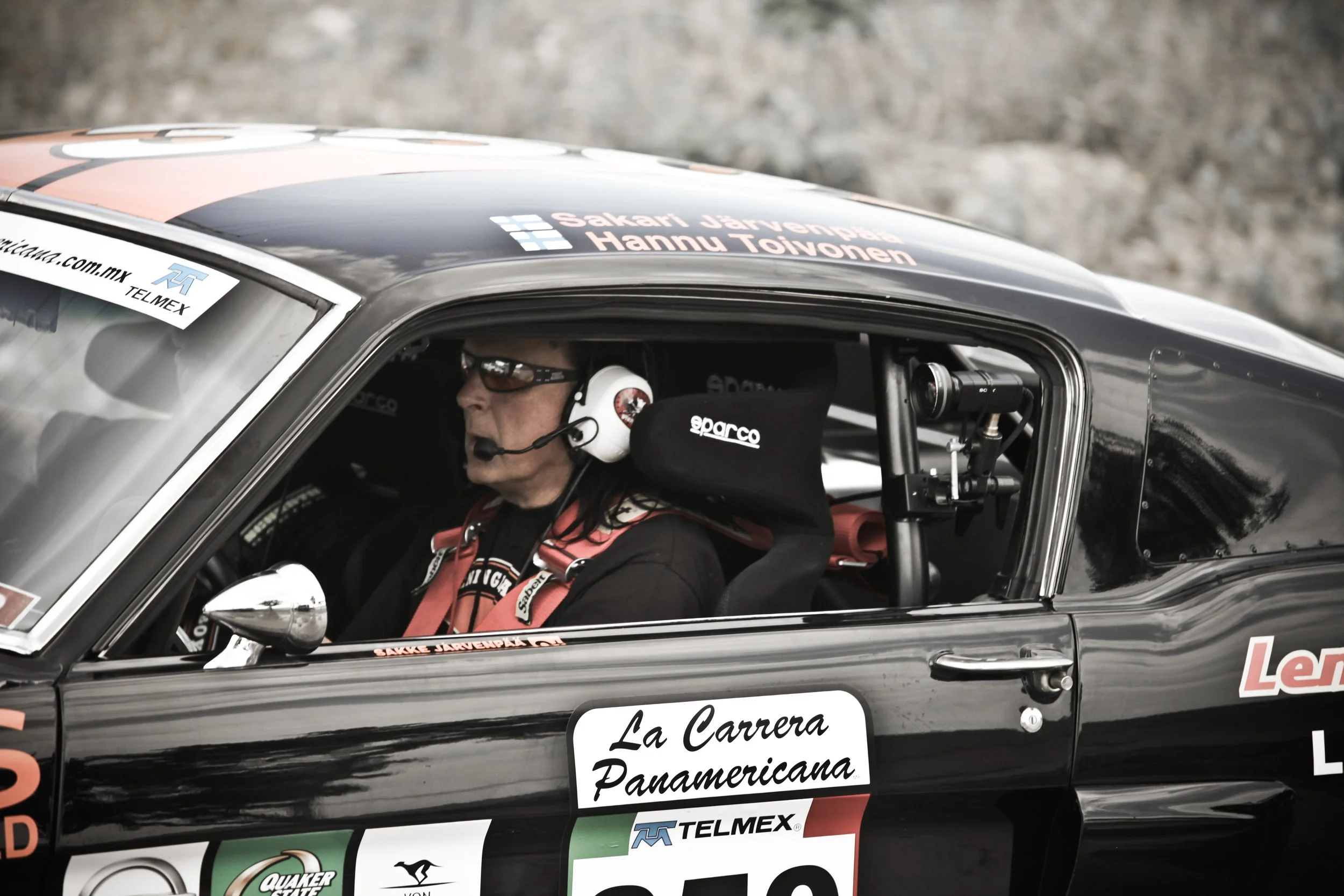
In 2009 and 2010, the Finnish rock band Leningrad Cowboys added an unusual and adventurous chapter to their already eccentric history by taking part in the legendary Mexican long-distance race La Carrera Panamericana. Known for their outrageous hairstyles, sharp shoes, and theatrical stage presence, the band surprised many by entering an event considered one of the most demanding and dangerous road races in the world. Their participation blended music, motorsport, and cultural exchange in a way that only the Leningrad Cowboys could pull off.
2009: Their First Ride Through Mexico
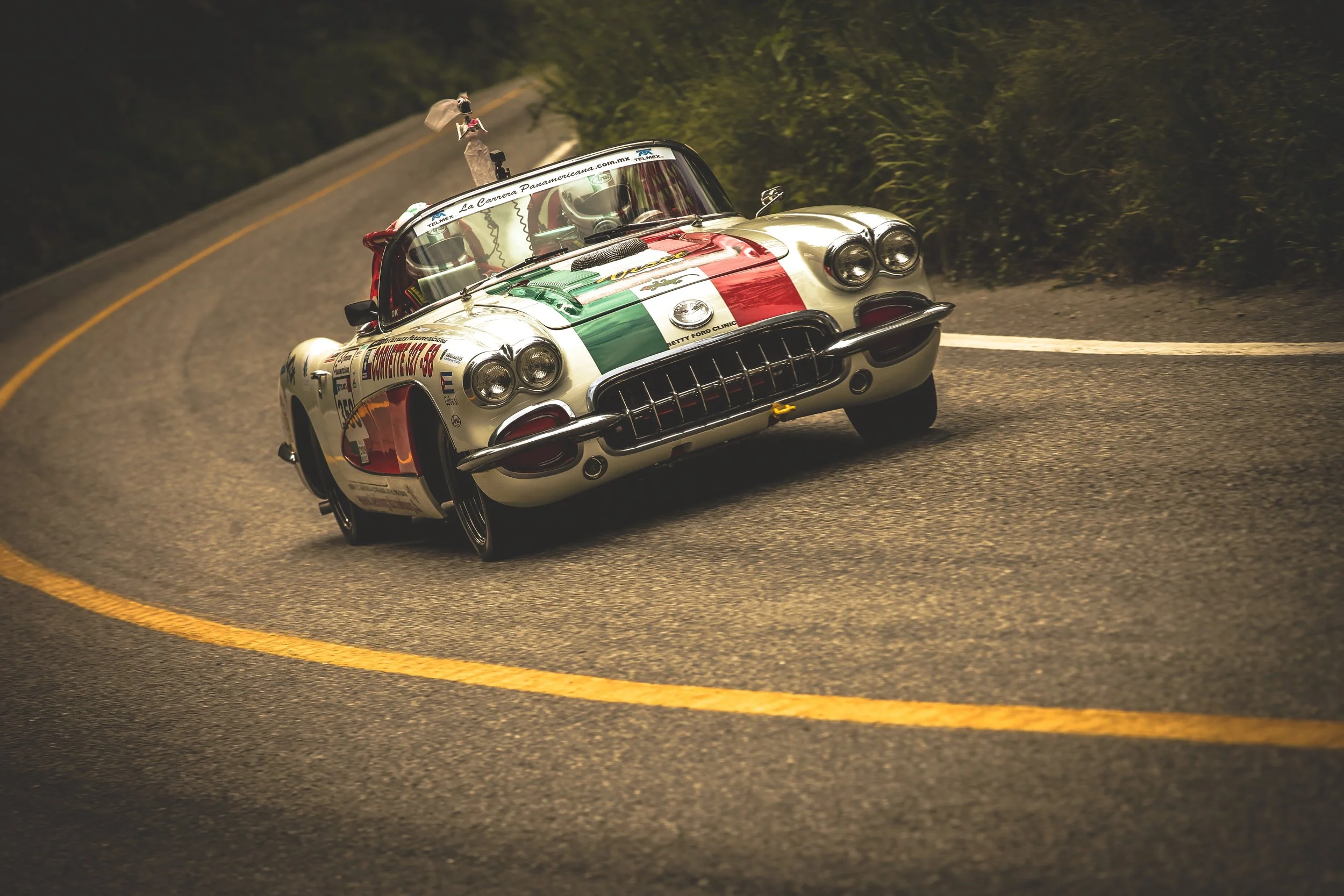
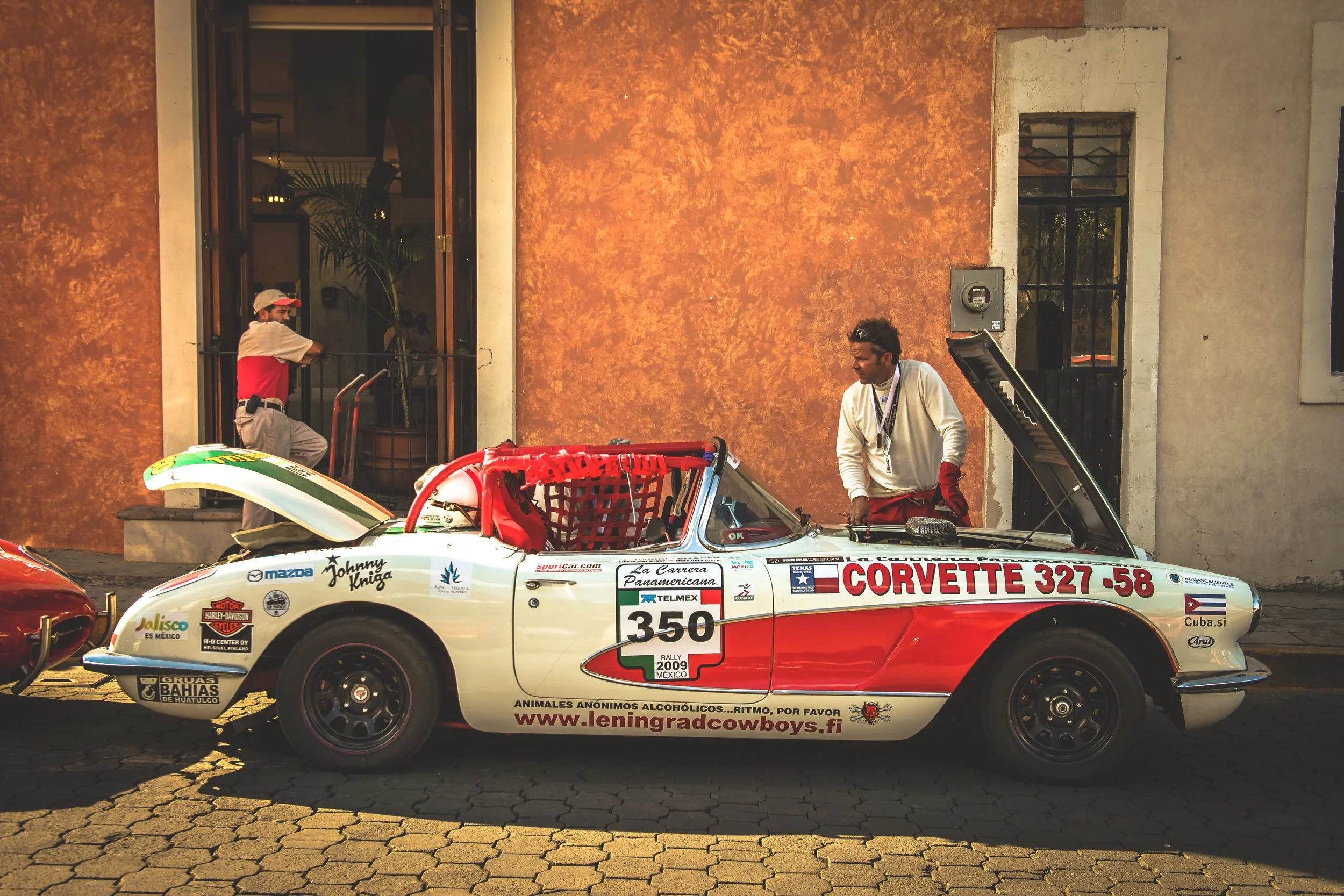
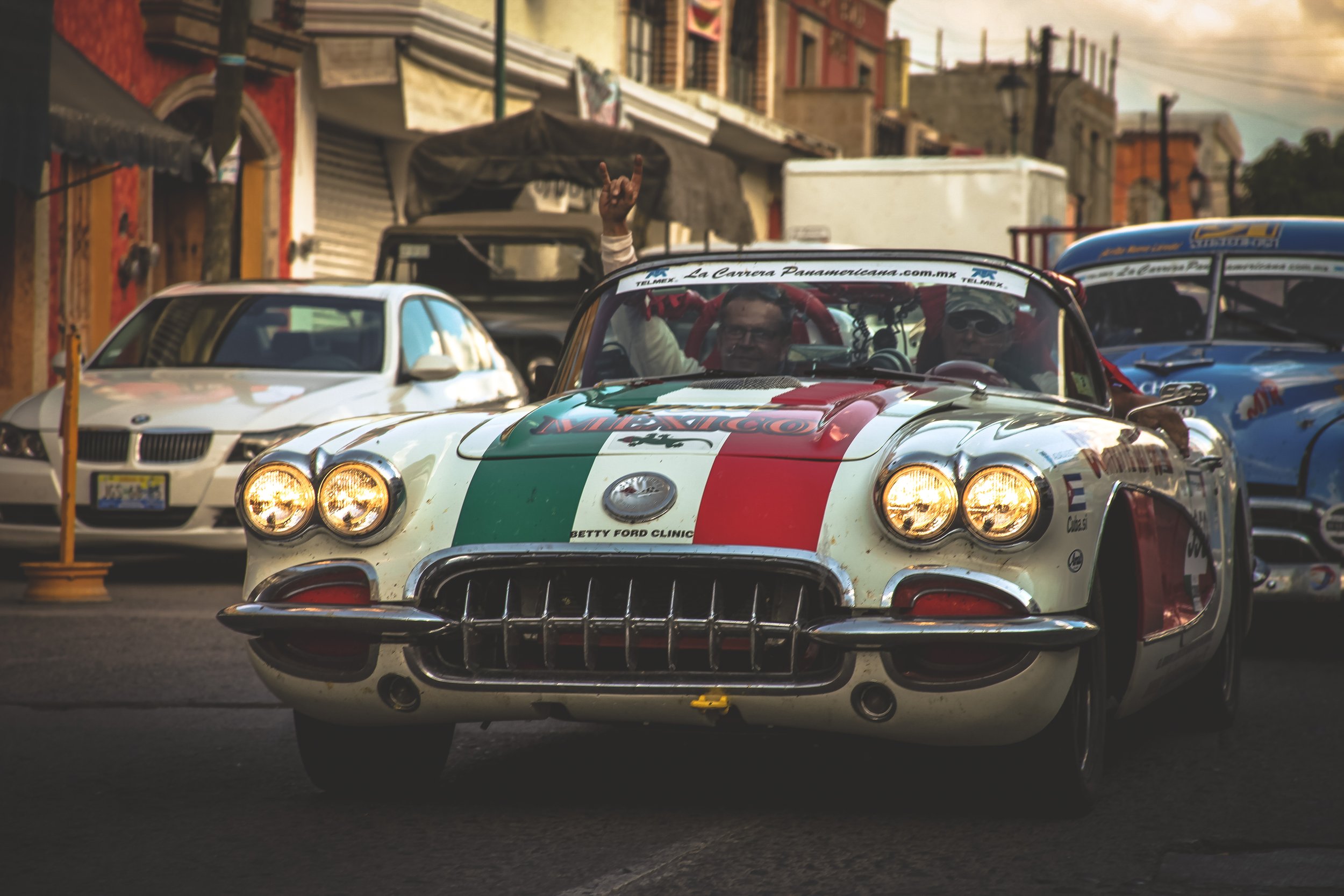
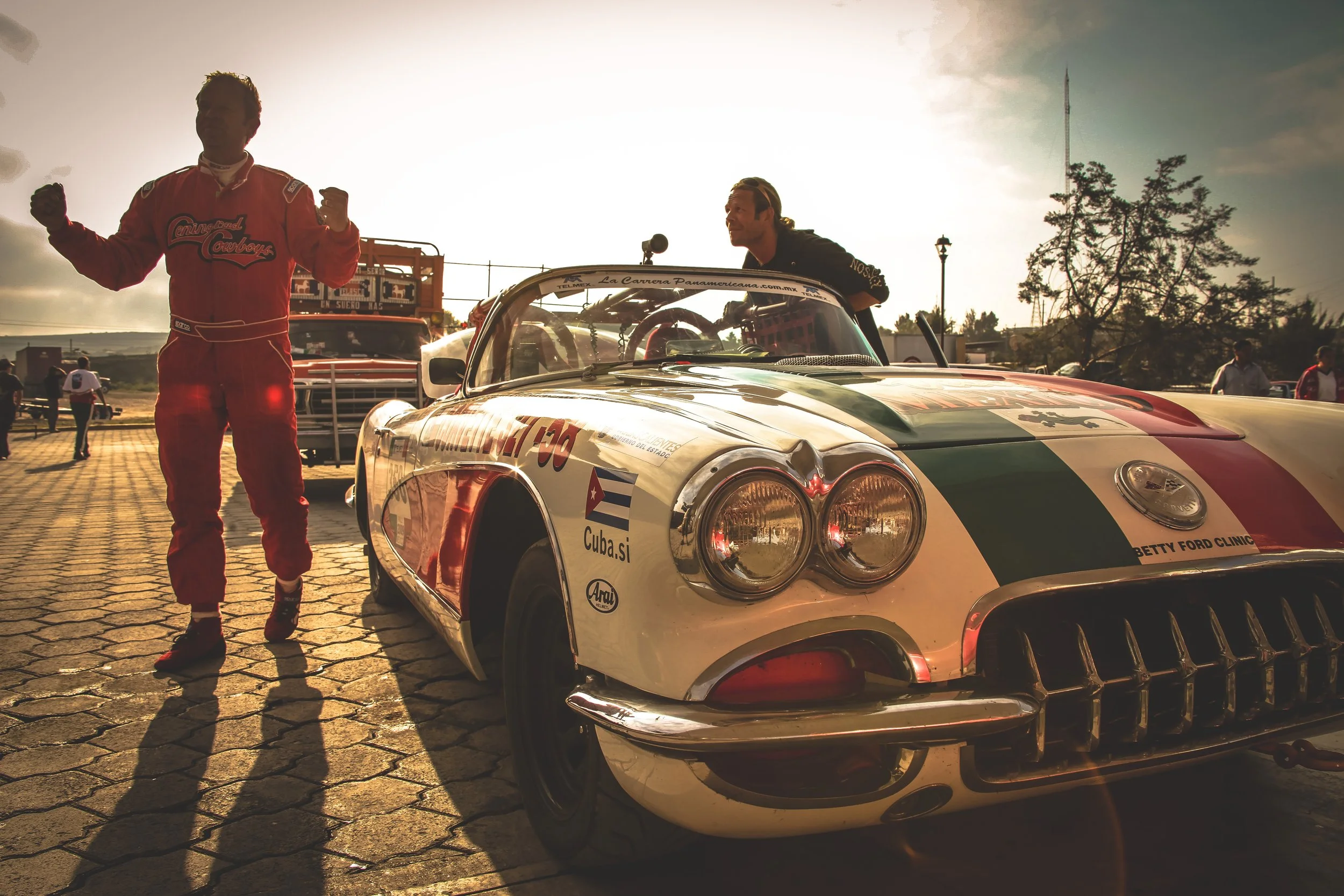
In 2009, the Leningrad Cowboys entered the Panamericana with a 1958 Chevrolet Corvette, a classic American machine with plenty of character but not exactly built for easy endurance. The Carrera Panamericana stretches across thousands of kilometers of Mexican landscapes—mountains, deserts, villages, and vast open roads. It is a combination of high-speed timed sections and endurance stages, demanding both mechanical reliability and driver stamina.
The Cowboys’ 2009 experience was full of drama. Their Corvette suffered mechanical issues along the way, including a serious frame break, which would have forced many teams to withdraw. But true to their spirit of improvisation and stubborn determination, the Cowboys and their support crew managed to repair the car and keep going.
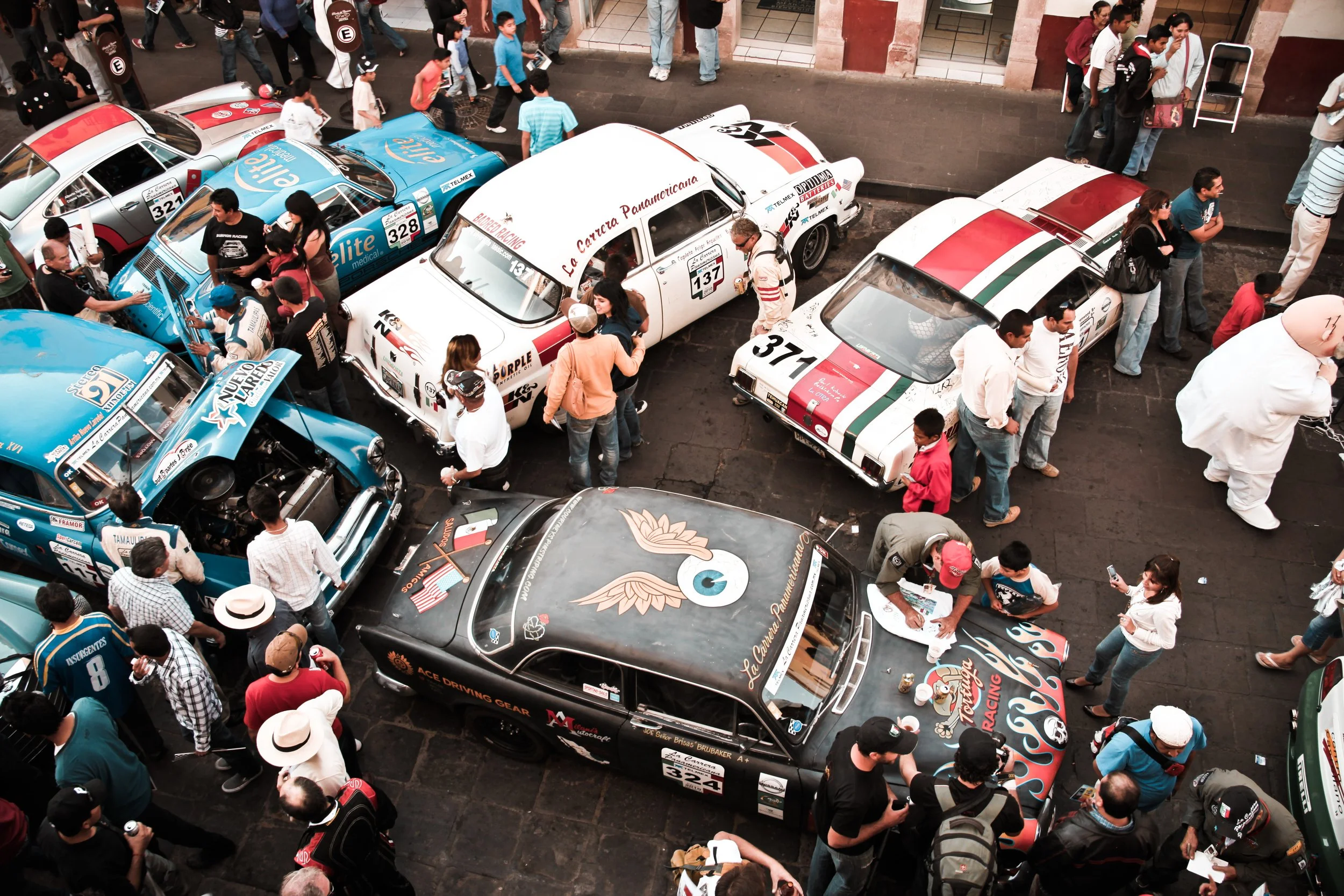
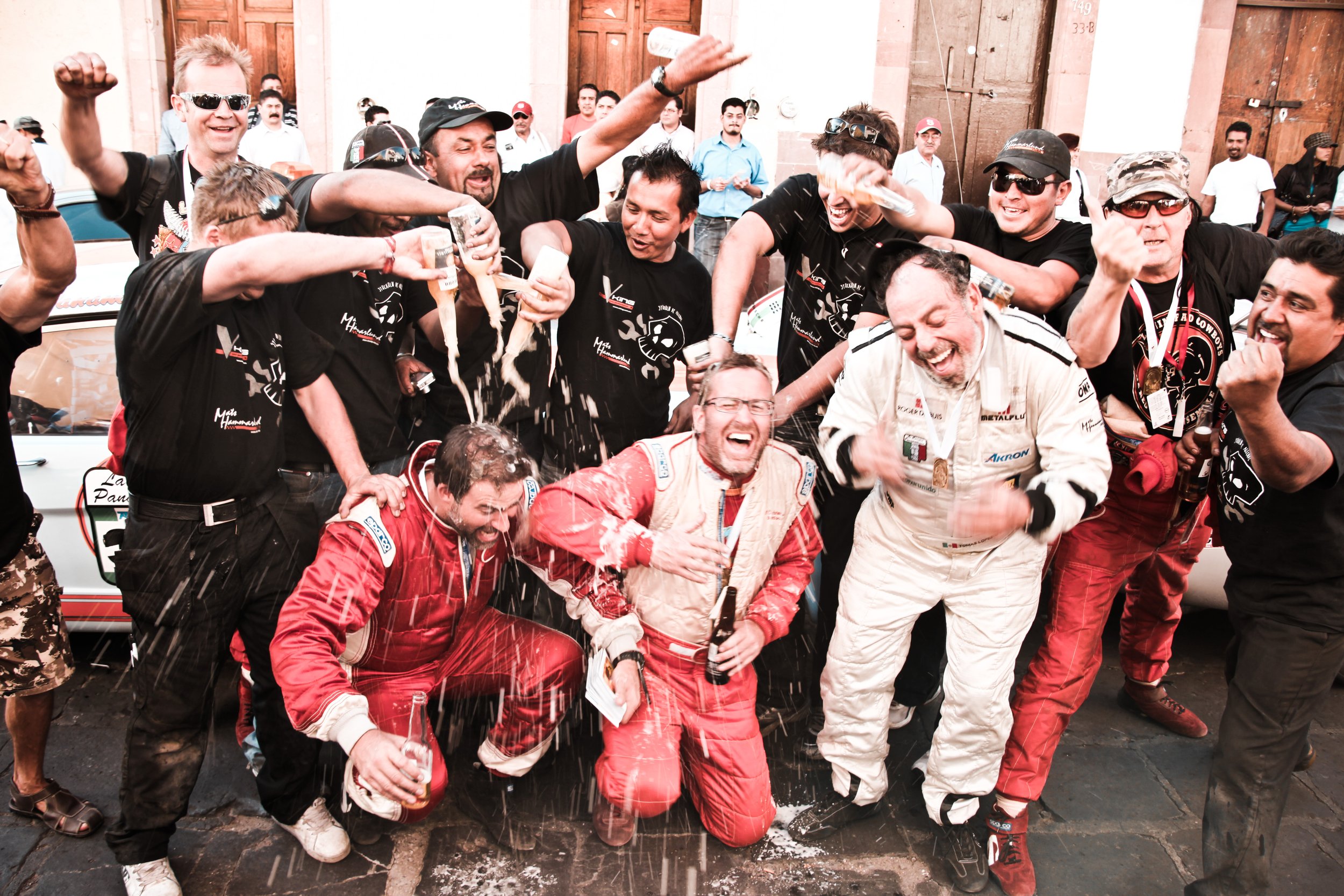
Despite setbacks, they crossed the final finish line in Nuevo Laredo, receiving cheers from crowds who had been celebrating the race all along the route. The Panamericana is as much a cultural fiesta as a motorsport event, with local music, street celebrations, and fans lining the roads. The band fit in perfectly—almost as if the event had been waiting for characters like them.
2010: A Return in a Classic Mustang
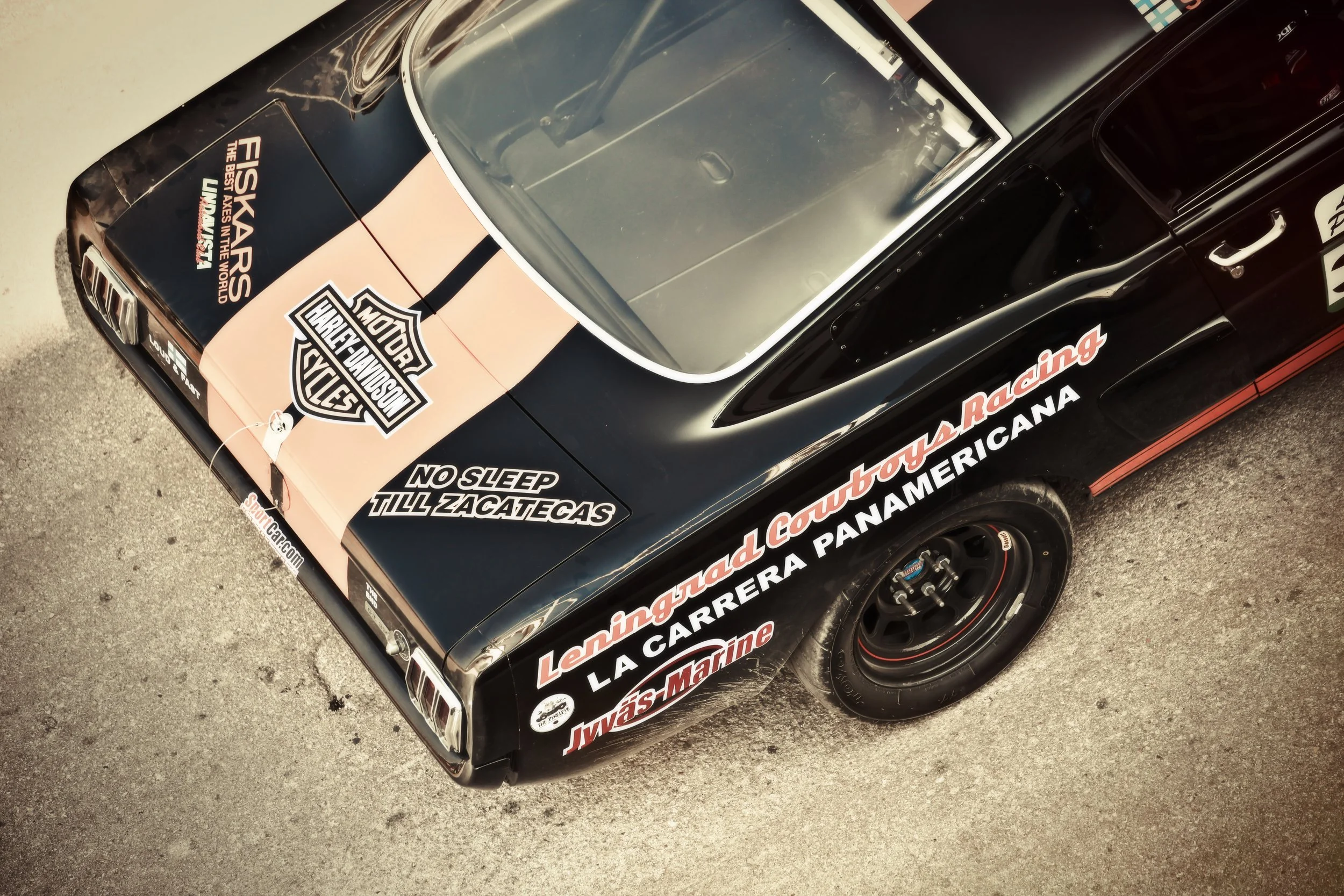
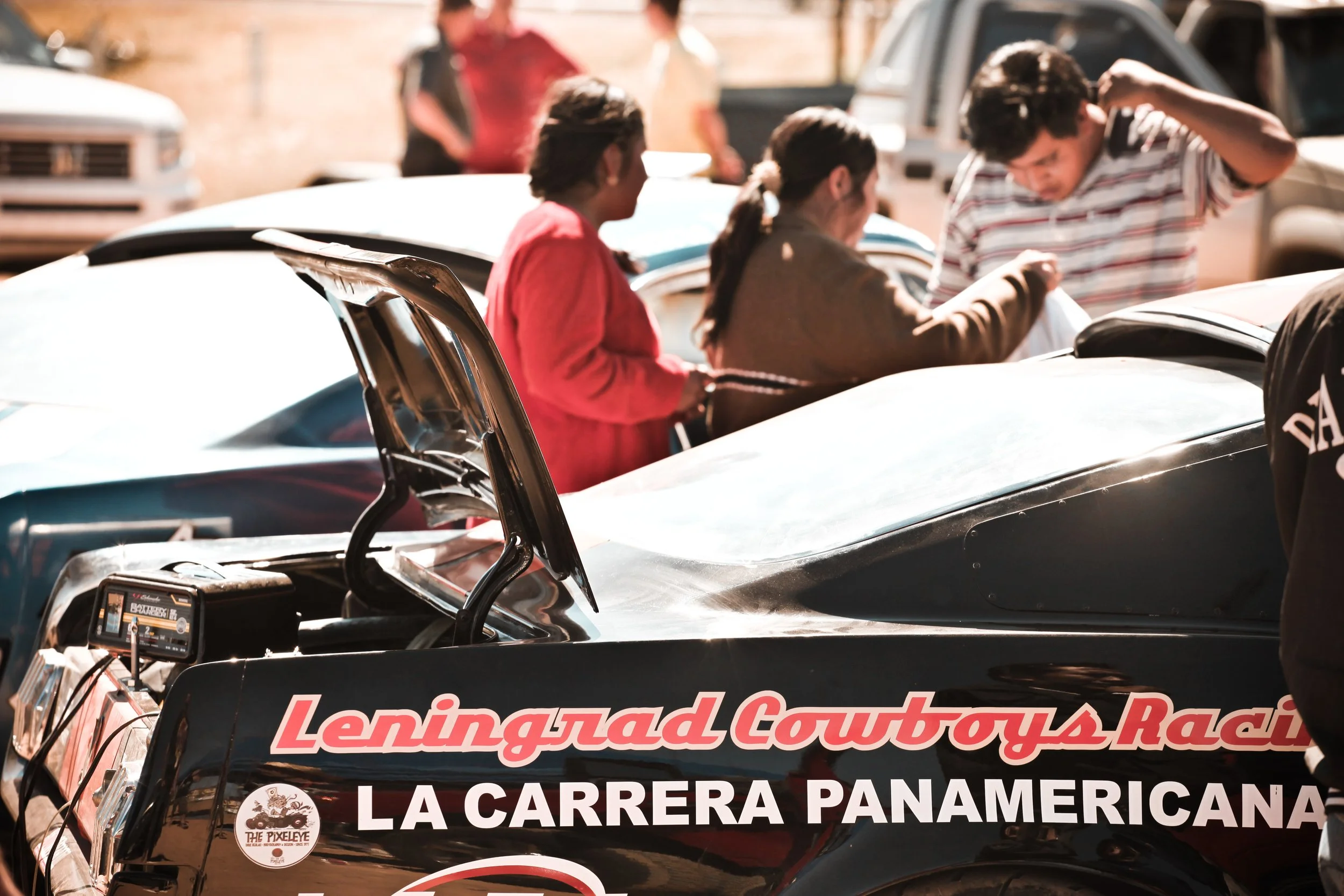
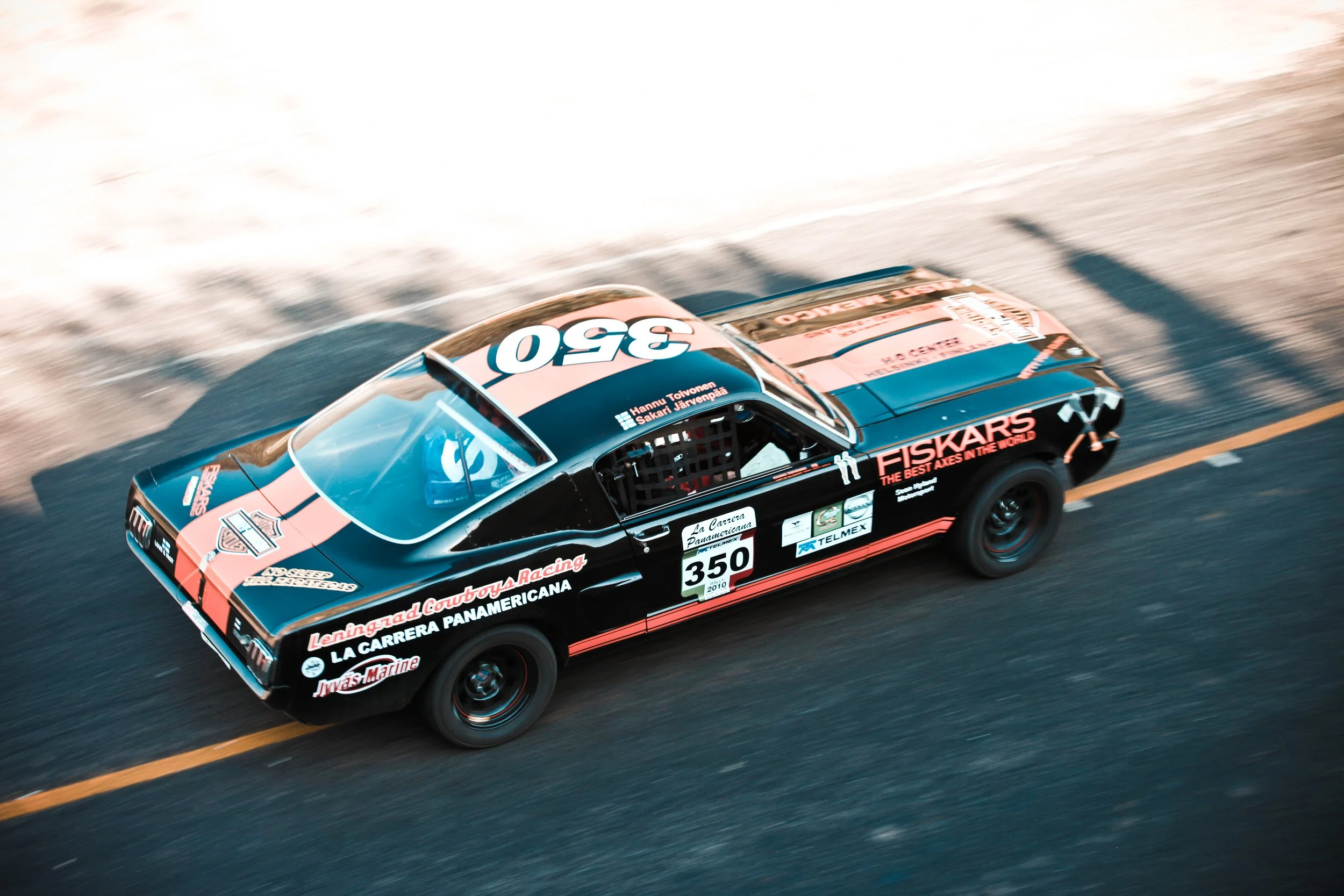
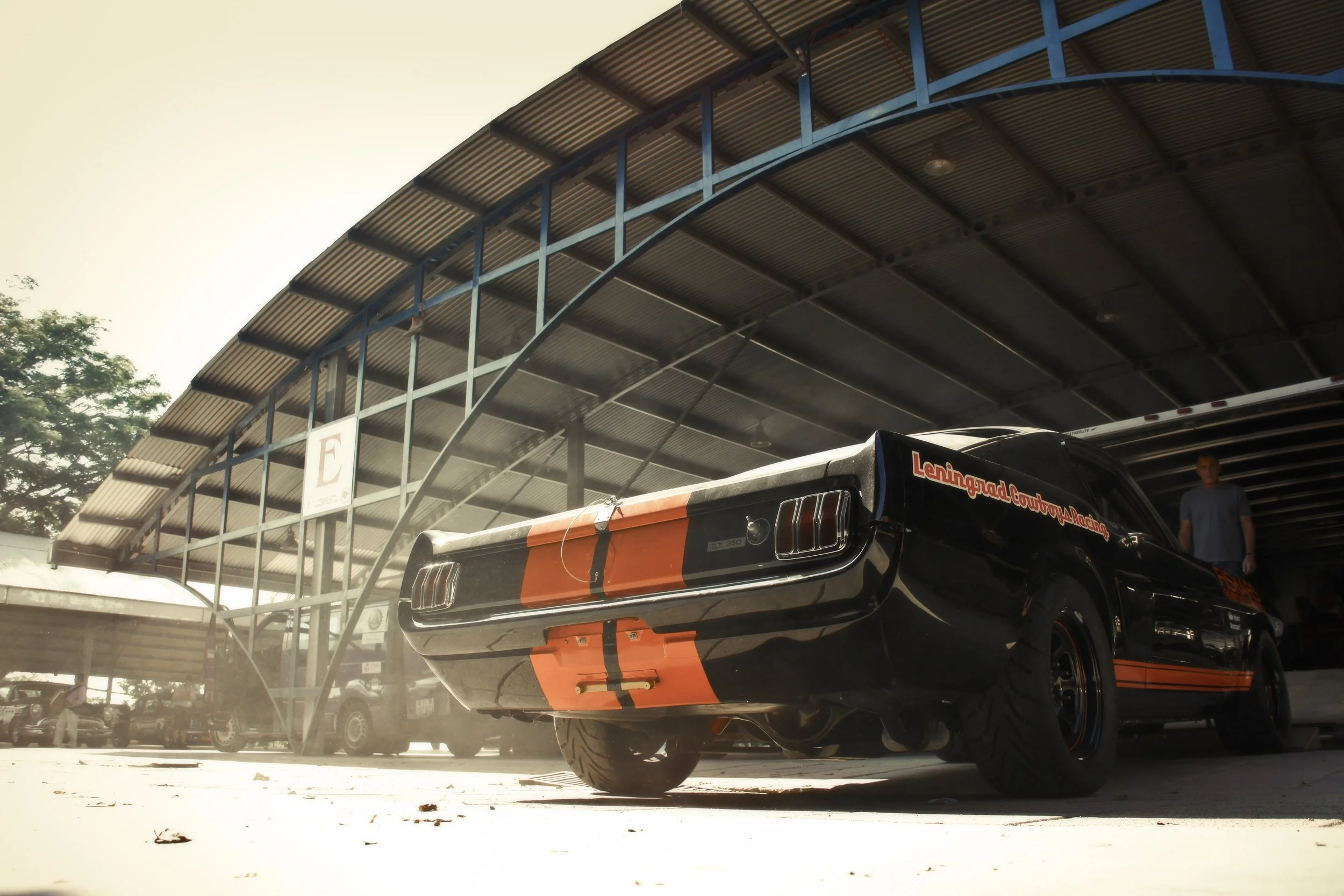
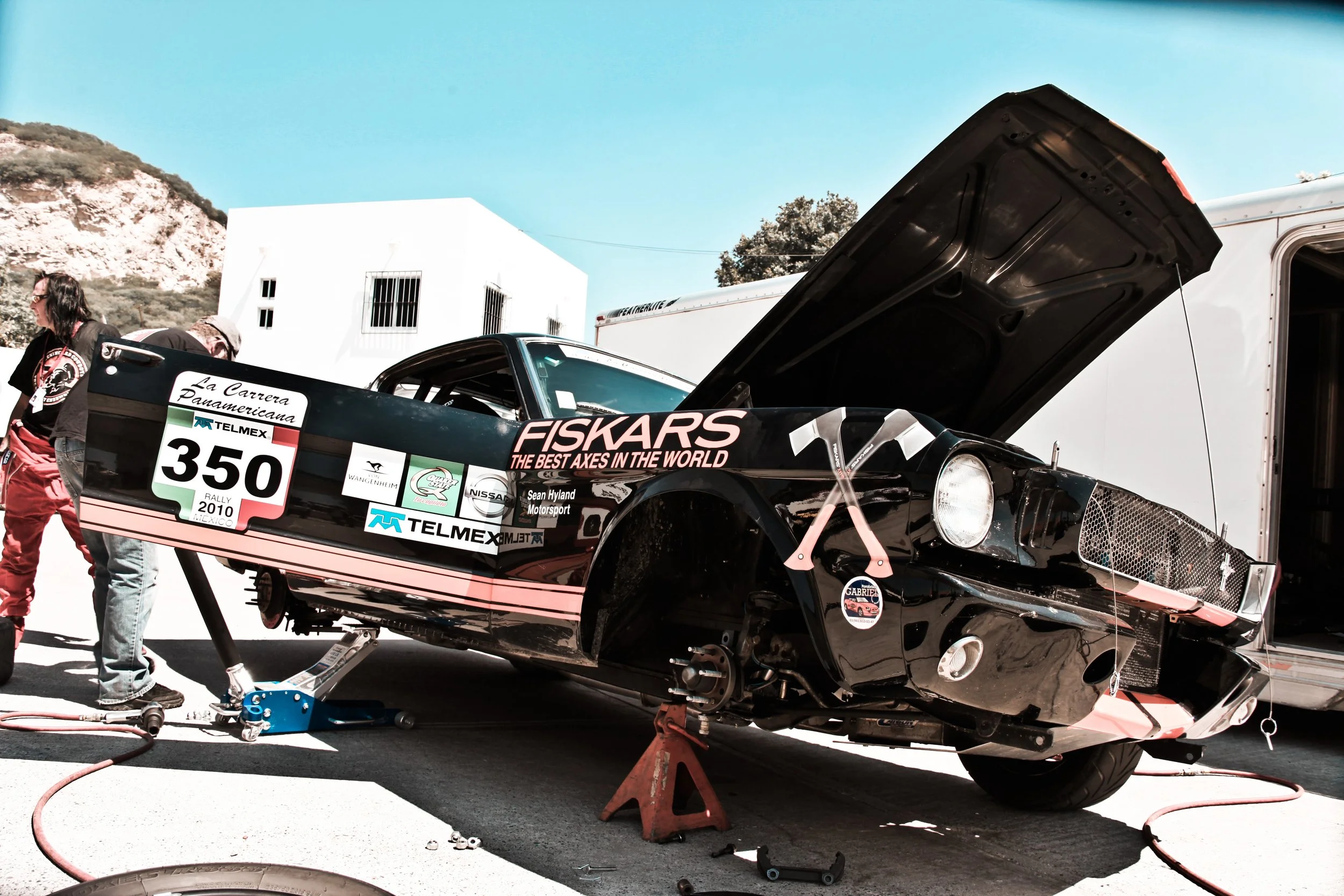
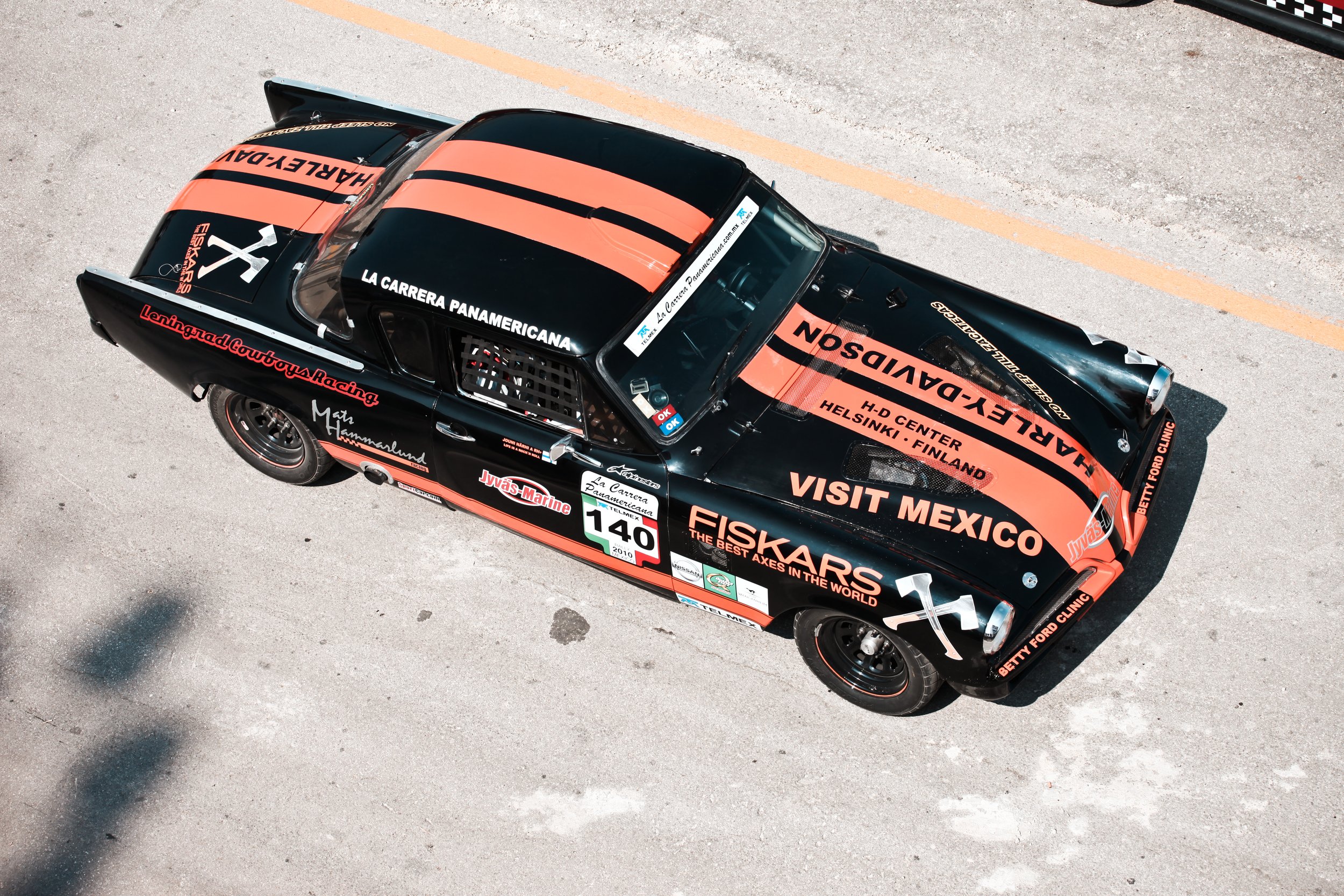
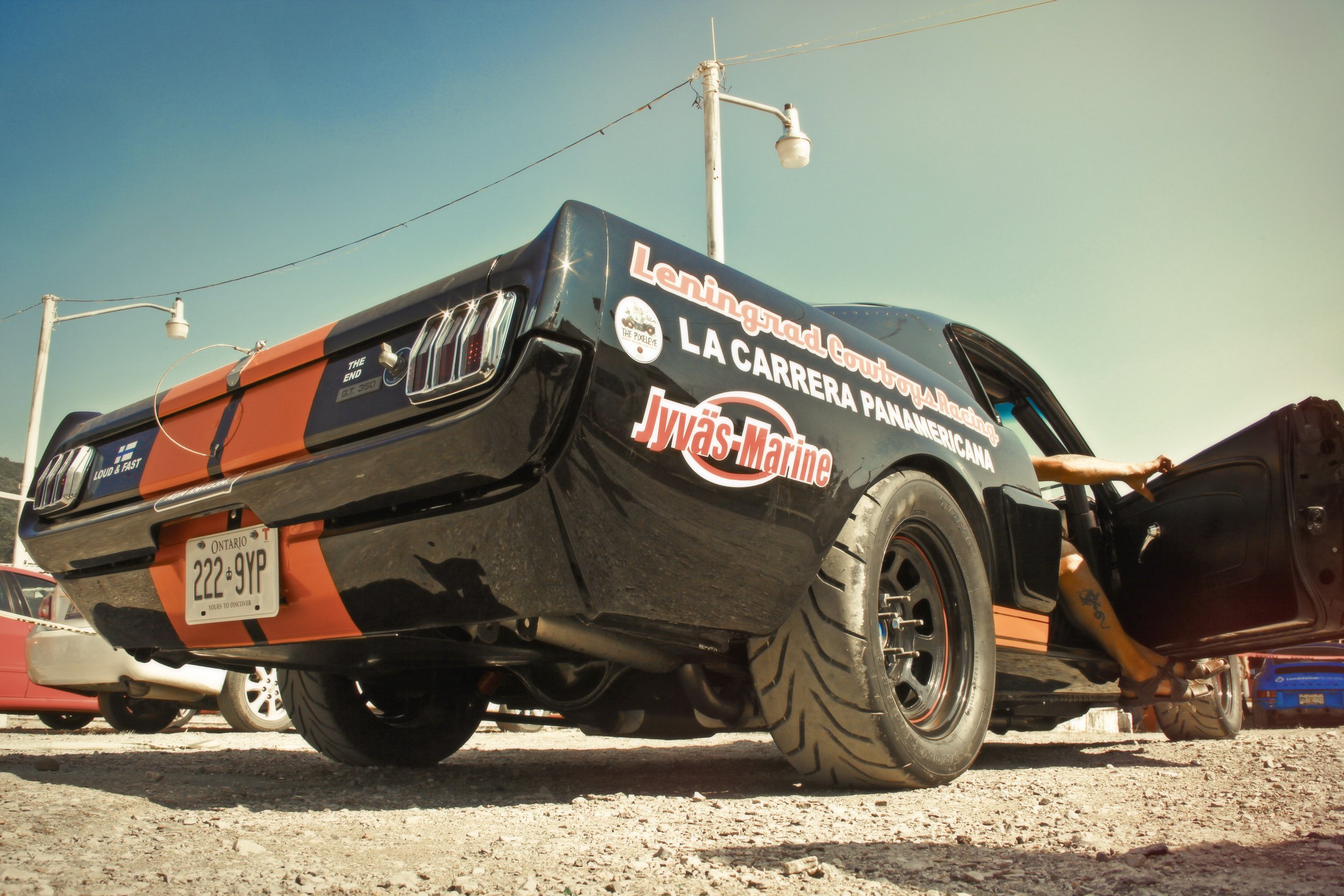
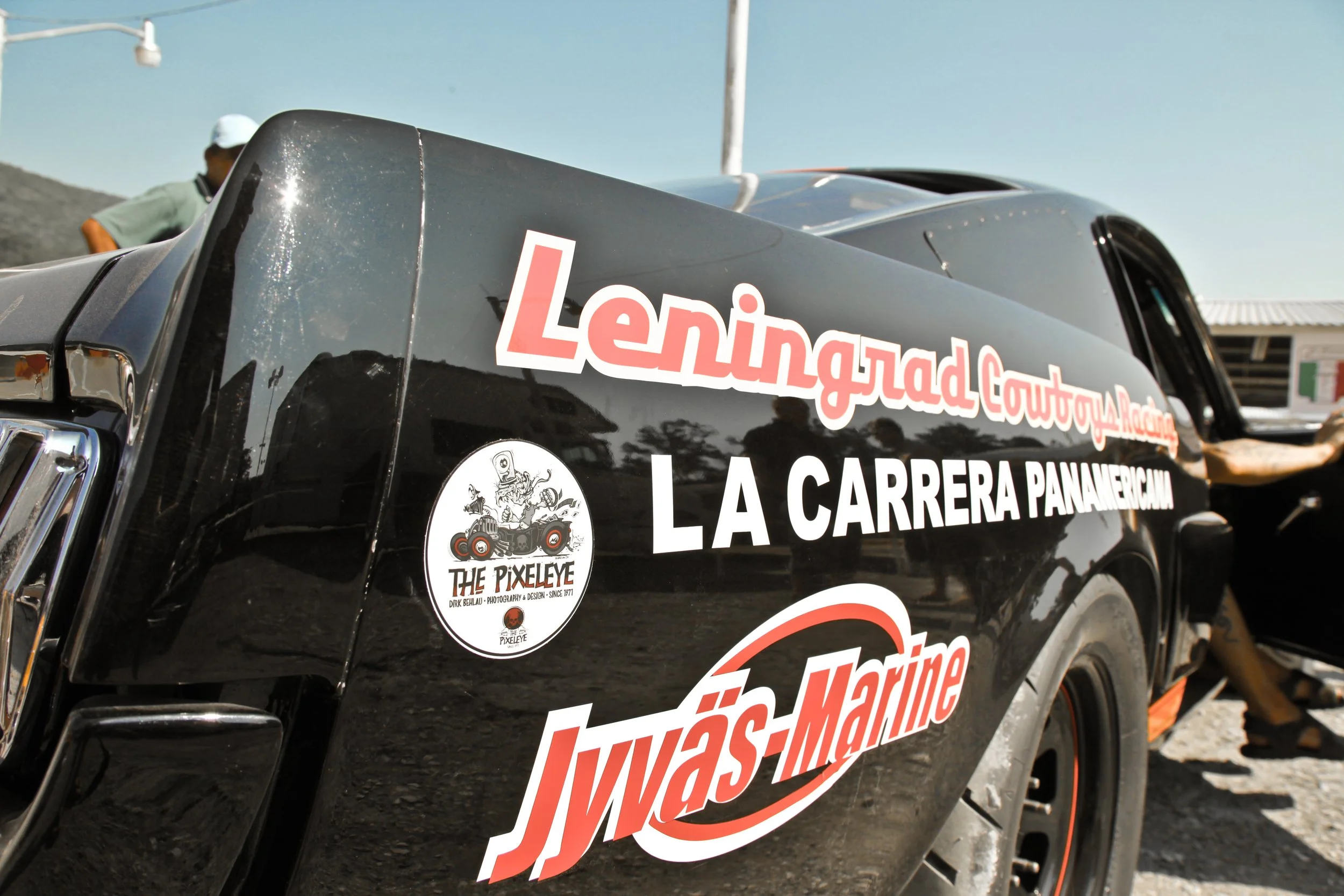
After their wild first experience, the Leningrad Cowboys returned in 2010 for another attempt. This time, they switched cars and raced a 1965 Ford Mustang Fastback, entered under the team name Leningrad Cowboys Racing. The 2010 edition of the rally covered about 3,200 kilometers, crossing multiple Mexican states and bringing together both professional and amateur drivers from all over the world.
The Mustang, a legendary symbol of American car culture, suited the Cowboys’ style. The team took on the tough course once again, navigating long distances, unpredictable weather, and the demanding mountain roads that define the race. Although they were racing for the challenge rather than for podium glory, their presence became a memorable highlight for fans and fellow drivers.
That year, another Finnish participant, rally driver Harri Rovanperä, won the overall race—giving the event a small but notable Finnish connection beyond the Cowboys themselves.